


Digging Veritas - Divided We Eat
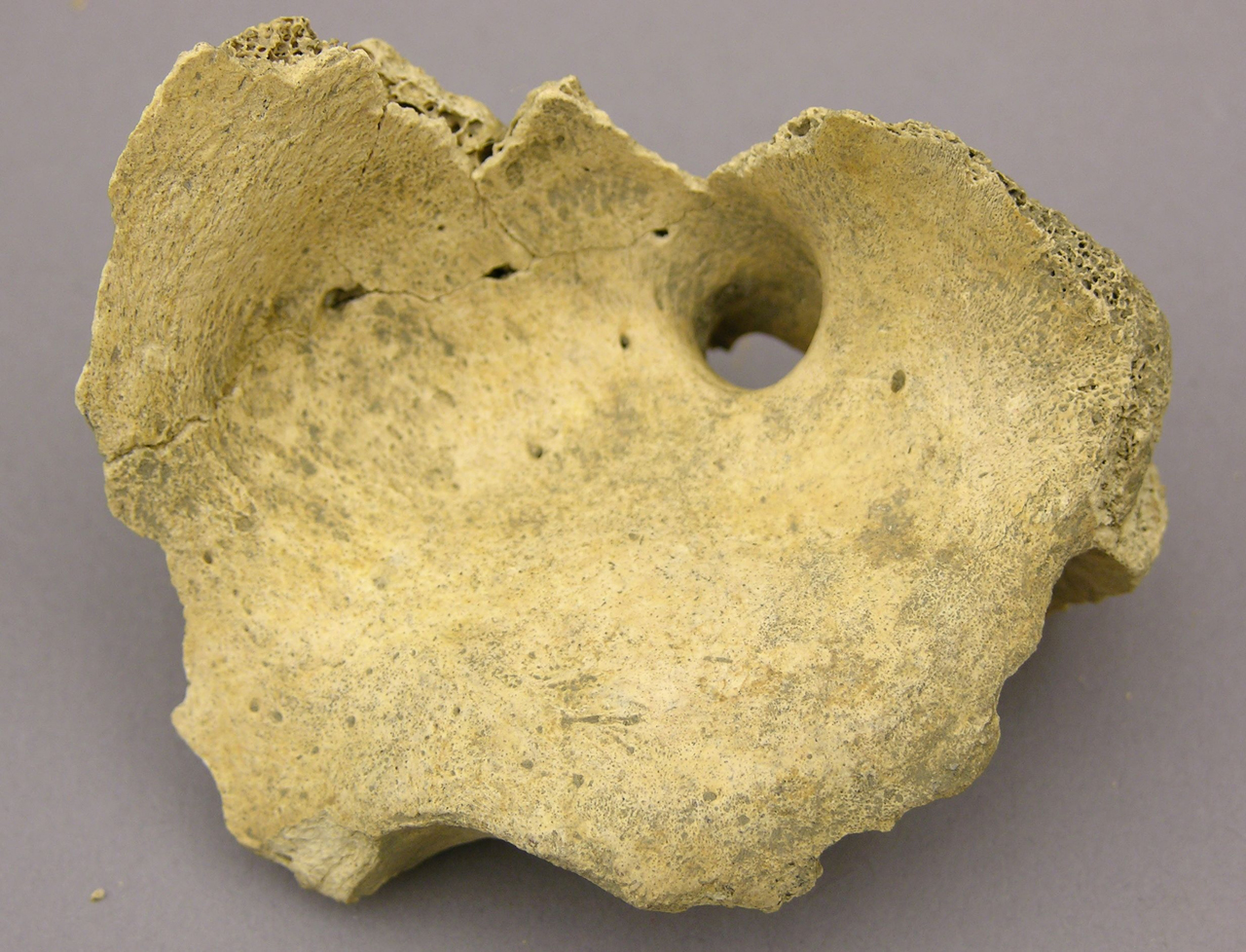
Cow bone from Colonial Harvard Yard, PM 980-3-10/99980.
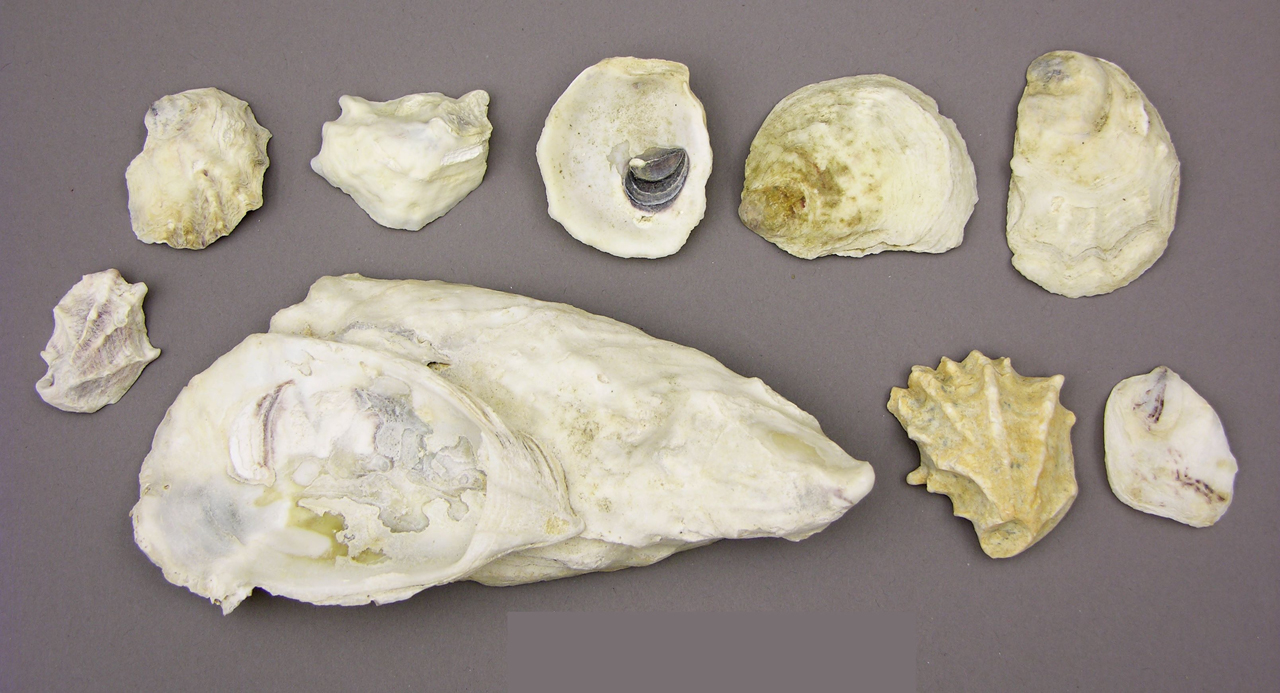
Oyster shells from Colonial Harvard Yard, PM 999-22-10/86452.
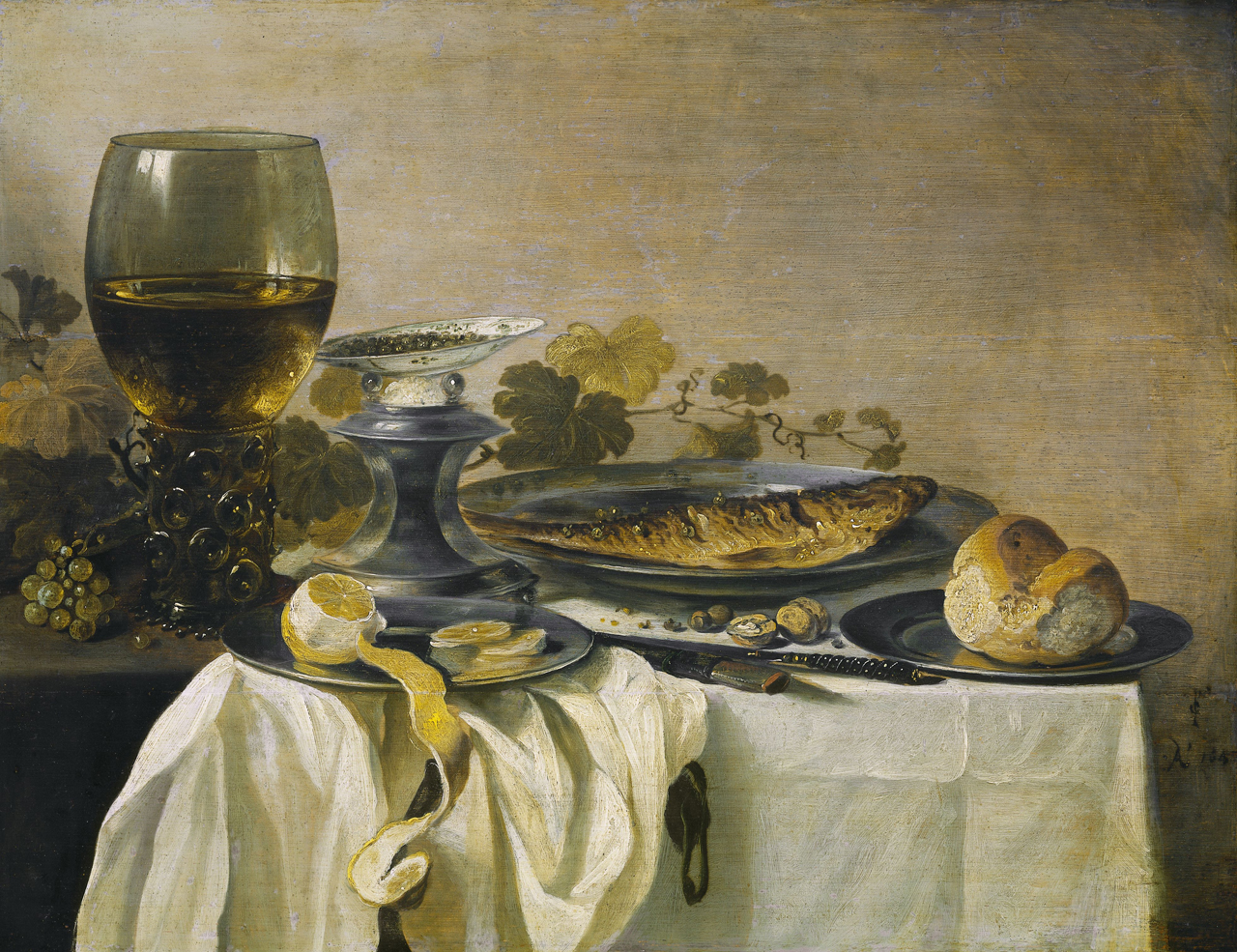
Still Life with Fish, by Pieter Claesz. Courtesy of Rijksmuseum.
What did you eat for lunch today? Answering this question from the perspective of a 17th-century Harvard student can illustrate vast differences between now and then. In the 21st century, Harvard provides the same dining experience for any student through a universally shared meal plan. With increasing economic diversity at Harvard, this meal plan becomes essential for creating an environment of equality. At 17th-century Harvard, however, students had varying dining experiences depending on criteria like age and wealth.
Food becomes a way to understand inequalities at early Harvard. While most 17th-century food disintegrated hundreds of years ago, uncovering archaeological food remains like animal bones and studying written archives allowed us to explore the daily dining differences among 17th-century Harvard students.
Harvard's Daily Schedule
| Time | Activities |
|---|---|
6am | Morning prayer |
7am | Morning bever (a small meal of beer and bread) |
8 – 11 am | Three hour-long lectures |
11 am | Dinner |
11 – 2 pm | Recreation and study |
2 – 5 pm | Meetings with tutors and study |
5 pm | Afternoon bever |
6 – 7:30 pm | Evening prayers |
8 – 9 pm | Recreation |
9 pm | Retire to rooms, lamps out for underclassmen |
11 pm | Lamps out for upperclassmen |