


Embedded Nature - Technology of Tapamaking

Decorated kapa fragment with four smaller cut samples, Hawaii. 90-17-70/48434.9

Strip for printing tapa (kupesi). 99-15-70/53872
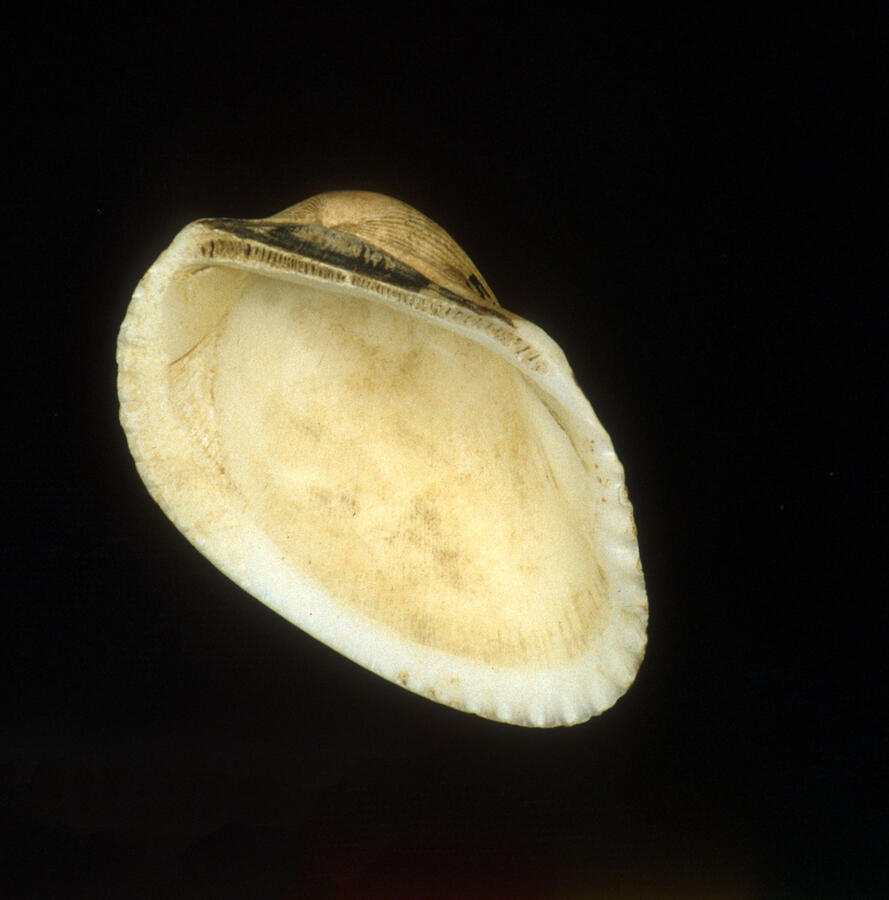
Shell for first scraping (le asi), Samoa. 99-15-70/53883
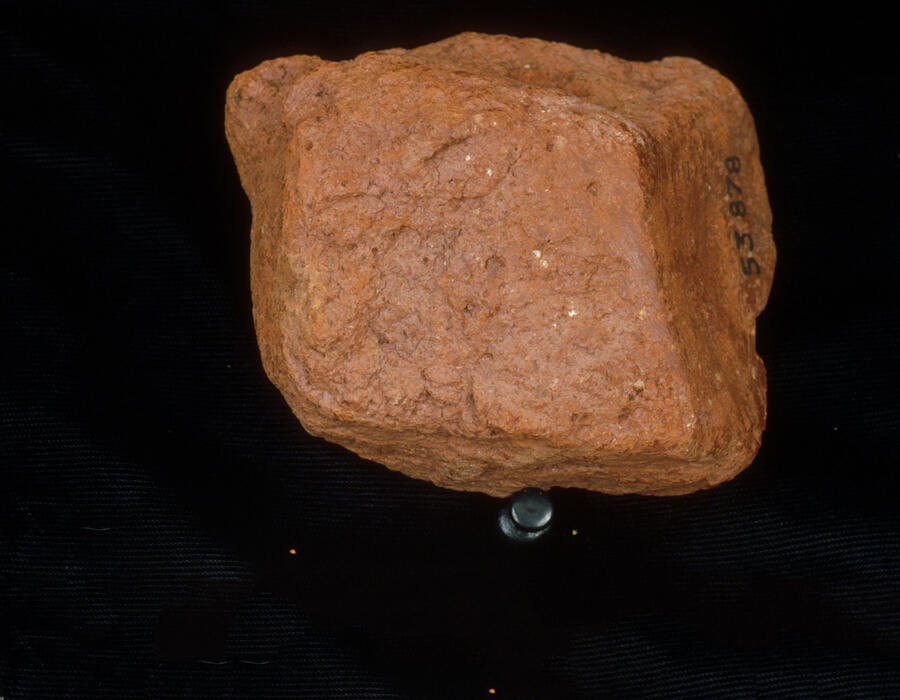
Red dye from stone (ele) used for tapa printing, Samoa. 99-15-70/53878

Piece of wood with inner-bark fibers, Hawaii. 99-12-70/53644

Wooden tapa beater, Hawaii. 27-5-70/D2904.1
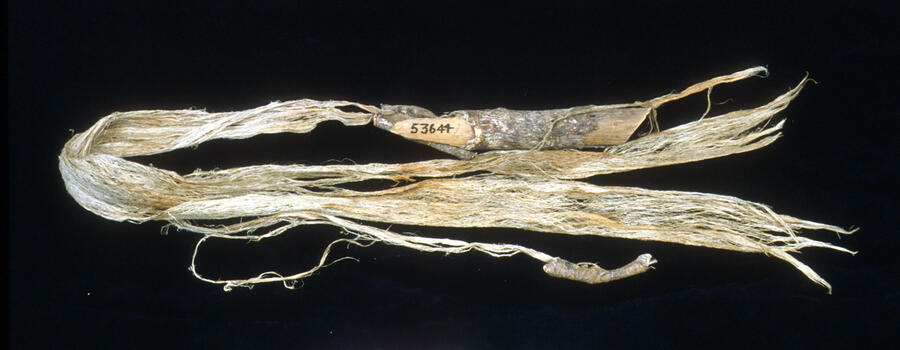
Early Fijian tapa cloth. 67-24-70/618.1
Barkcloth-making is very similar to papermaking, which originated in Asia, and it is a multifaceted process. On most of the islands, women produce the barkcloth. Depending on island resources and traditions, some of the steps are carried out by a woman working alone, while others involve several working together. The process and end product differ from island to island and result in a variety of traditions.
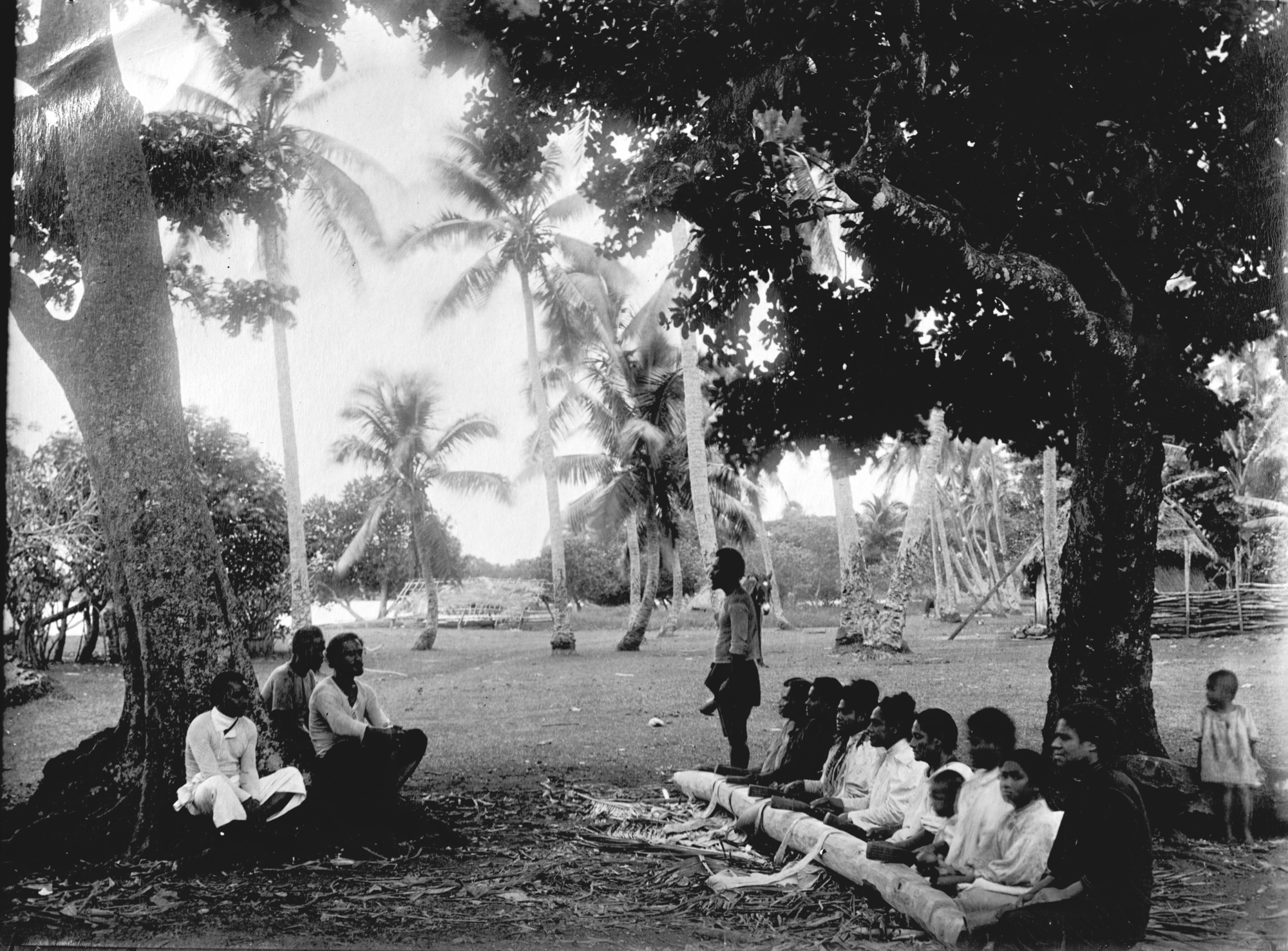
Generally, tapa production requires:
- Cultivating and harvesting raw materials
- Cutting the trees and separating the bark
- Soaking, scraping, cleaning, and preparing the inner bark
- Beating the inner bark into a flat sheet
- Joining the flattened, beaten sheets to make a thicker and/or larger cloth
- Decorating by various methods
- Stitching and/or constructing for specific uses